
BOONE, N.C. — The most recent issue of Appalachian Journal — volume 53, number 3 — will arrive in subscribers’ mailboxes shortly. This issue features fifteen new contributors to the journal and includes scholarly articles, poetry, book reviews, creative nonfiction readings, and special content centered around hip-hop’s presence and impact in Appalachia, including a roundtable discussion of selected essays. Additionally, this edition features Appalachian Journal’s regularly recurring content, such as Signs of the Times with illustrations from Annie Greenwood, Chronicle, and By the Numbers.
In this issue, Olivia H. Phillips brings a folklorist’s lens to help reckon with the complexity of defining the region in her scholarly article, “Folklore Studies and Twenty-First Century Appalachia: Making Peace with the Un-Definability of a Region.” Selected new and unpublished poetry from Wally Smith, Deron Eckert, Bart Sides, Roger Bernstein, Lucy Flood, Thomas Rain Crowe, and Gary Grossman can be found in this edition, along with nine book reviews from recently published books.
Ted Olson edits a roundtable discussion centered around June Appal recordings’ No Options: Hip-Hop in Appalachia that brings to light a variety of perspectives centered around music, place, and identity. This roundtable includes an essay written by Olson on “Mountaintop Hip-Hop” as well as a piece from William H. Turner on the presence of hip-hop and rap music in his upbringing. Additionally, Eric “Monstalung” Jordan’s essay on hip-hop’s impact in the hollers of West Virginia brings forth a new narrative perspective to the conversation and subject, and Austin McCoy’s piece examines the origins of Appalachian rap. Finally, works from Patrick Salmons and angie luvara examine place and the abolitionist praxis-like framework surrounding Appalachian hip-hop, respectively. Shifting focus to another musical genre of significance in Appalachian, Yndiana Montes Fogelquist discusses the work of Joe Troop, ranging from bluegrass to Latingrass, and the importance and presence of activism woven into the music.
Purchase or renew your subscription for Appalachian Journal through UNC Press/Scholarly Publishing Collective. You can also access the latest issue through Project MUSE and libraries that subscribe to Appalachian Journal.
Related: Spring 2026 edition of As the Crow Flies now available
###
About the Appalachian Journal: A Regional Studies Review
Appalachian Journal: A Regional Studies Review, founded in 1972, is an interdisciplinary, peer-reviewed quarterly journal housed at Appalachian State University. The journal features field research, interviews and other scholarly studies of history, politics, economics, culture, folklore, literature, music, ecology and a variety of other topics, as well as poetry and reviews of books, films and recordings dealing with the Appalachian Mountains region. Learn more at appjournal.appstate.edu.
About the Center for Appalachian Studies
The Center for Appalachian Studies promotes public programs, community collaboration, civic engagement and scholarship on the Appalachian region. The center is committed to building healthy communities and deepening knowledge of Appalachia’s past, present and future through community-based research and engagement. Learn more at appcenter.appstate.edu.
Written by Dr. Jessica Cory
Edited by Lauren Gibbs
April 7, 2026
BOONE, N.C.
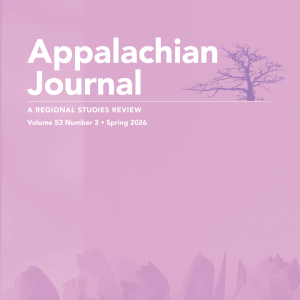
Appalachian Journal: A Regional Studies Review (vol. 53, no. 3)
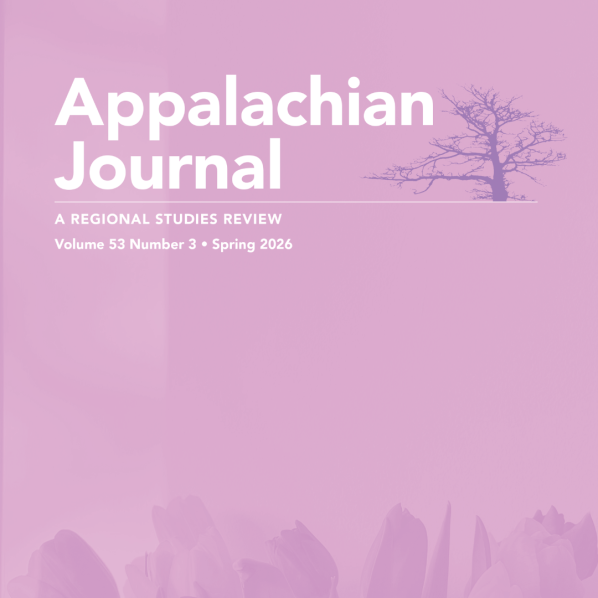
Appalachian Journal: A Regional Studies Review (vol. 53, no. 3)